SIXTEN Home

Category

Music

18 articles

The Fiver Door: Why the Cheap Night Out Is Britain's New Flex

The Fiver Door: Why the Cheap Night Out Is Britain's New Flex

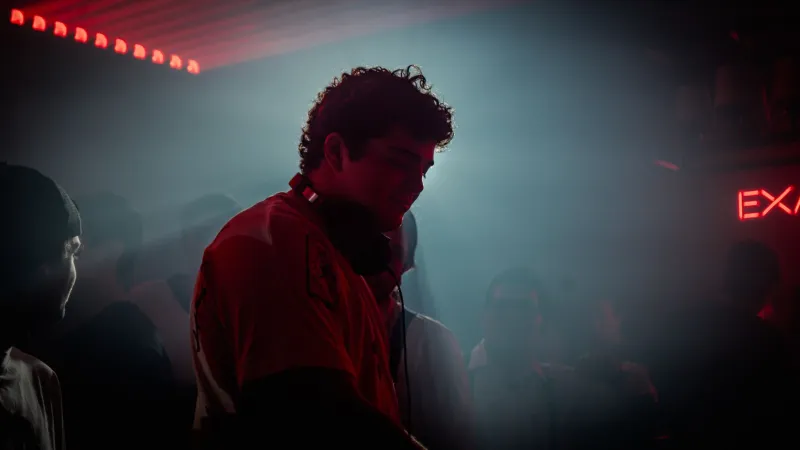
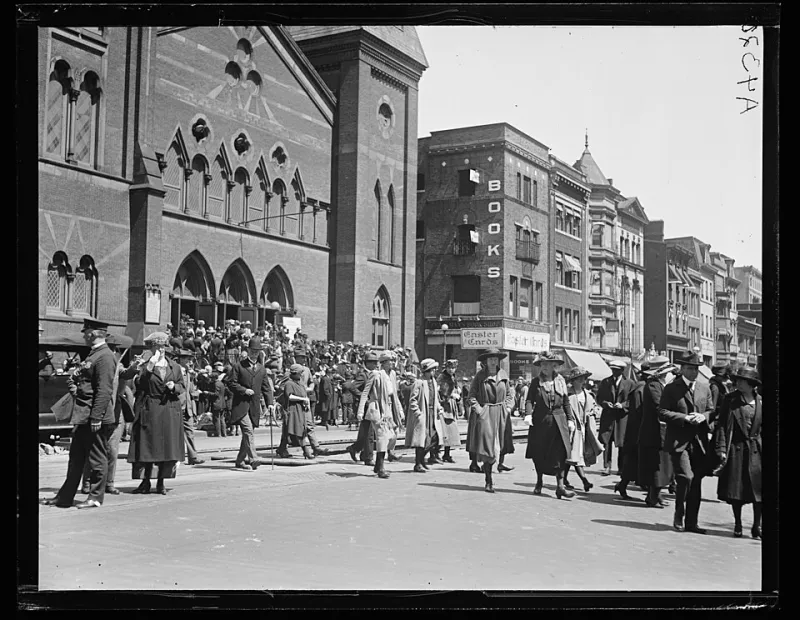
Forget the sixteen-pound Saturday as a benchmark — the real story in 2026 is the six-pound door, the pay-what-you-can basement and the three-pound raffle. Promoters are rebuilding the affordable big night, and the compromises are part of the point.

No Audition, No Problem: The Music Rooms Britain Actually Needs

No Audition, No Problem: The Music Rooms Britain Actually Needs

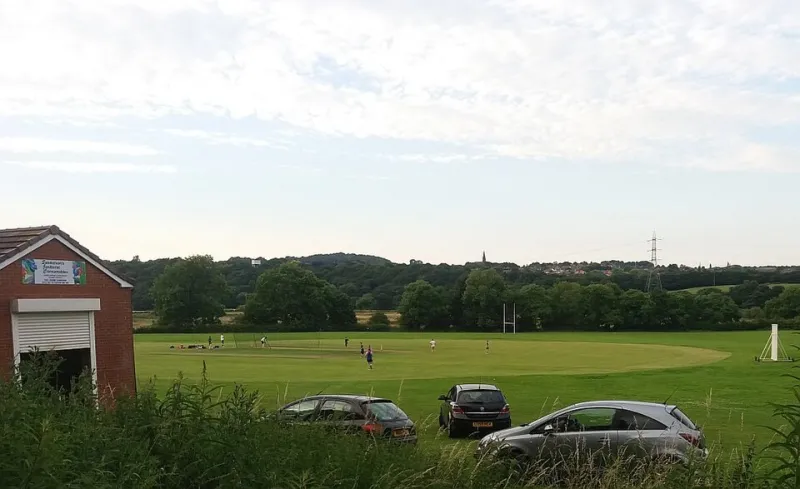
The most convincing music in Britain right now is not coming from a playlist or a press release. It is coming from church halls, pub back rooms and open-invite workshops where the chords are approximate and the door is unlocked. In 2026, the amateur night is the scene.

The Support Slot Is Dead. Long Live the Sixteen-Minute Set.

The Support Slot Is Dead. Long Live the Sixteen-Minute Set.

Across UK venues in 2026, promoters are trading bloated bills for tightly programmed sixteen-minute sets. The result is a faster, sharper night out—and a quiet rethink of how live music works for artists, audiences and the people paying for the room.

The Best Night Out in Britain Now Ends in a Chair

The Best Night Out in Britain Now Ends in a Chair

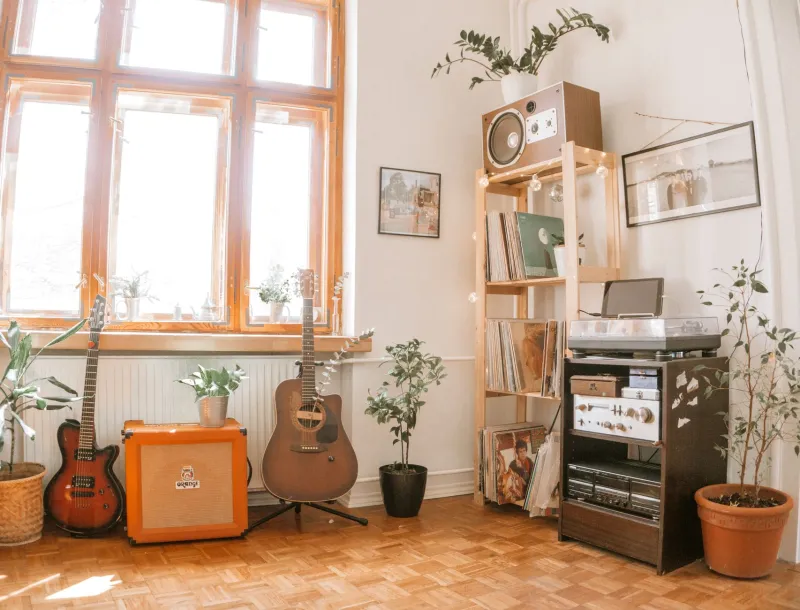
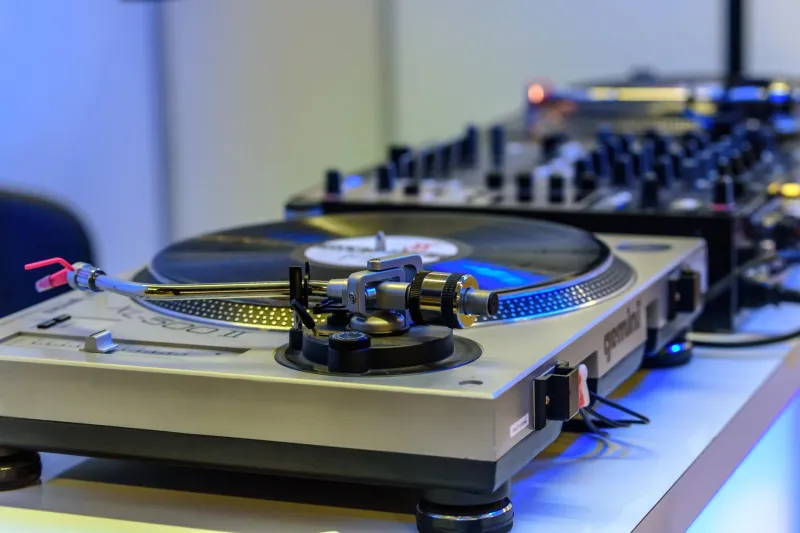
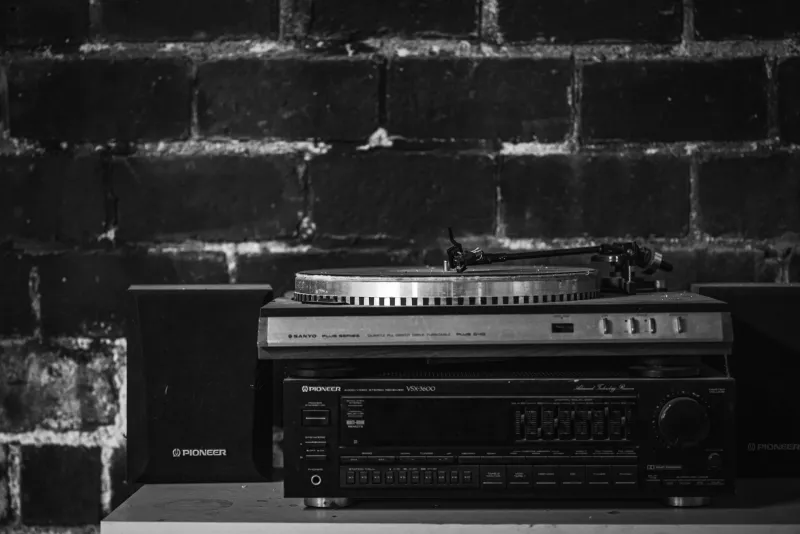
Britain's listening bars are filling the gap left by pubs and clubs: serious hi-fi, vinyl-first rules and no dancefloor. From Glasgow to Bristol, the new local is a room where you sit down, shut up and listen together.

The Quiet Side Door: How Britain's Scenes Chose Who Gets In

The Quiet Side Door: How Britain's Scenes Chose Who Gets In

Discovery in the UK has been quietly rewired: promoters, micro-labels and style crews are moving the real listings into WhatsApp threads and Discord servers, where the address arrives only after someone vouches for you. It makes for better rooms — and a harder door to find.

Missed Stop Sessions: How UK Public Transport Became a Music Scene

Missed Stop Sessions: How UK Public Transport Became a Music Scene

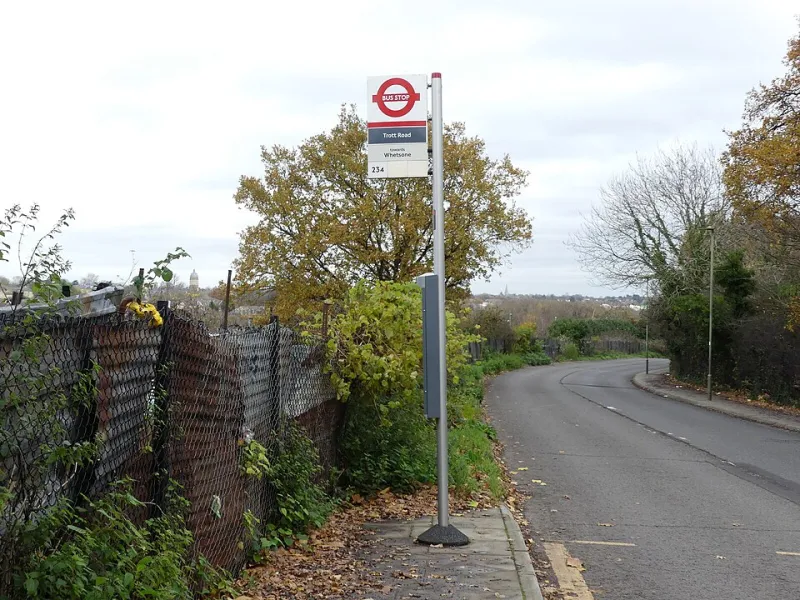
In suburbs and small cities across the UK, impromptu gigs are breaking out at bus stops, taxi ranks and late-night platforms. The performances are phone-shot, unticketed and often over before the next service arrives — and they're asking hard questions about who gets to make music in 2026.

The 2010 Signal: Why the Past Sounds New Again in 2026

The 2010 Signal: Why the Past Sounds New Again in 2026

Sixteen years after Tumblr, SoundCloud and messy indie nights first rewired UK taste, 2026 is picking up the signal again. This is not a nostalgia trip — it is a generation editing the internet's first social aesthetic for a cleaner, more deliberate era.