Missed Stop Sessions: How UK Public Transport Became a Music Scene
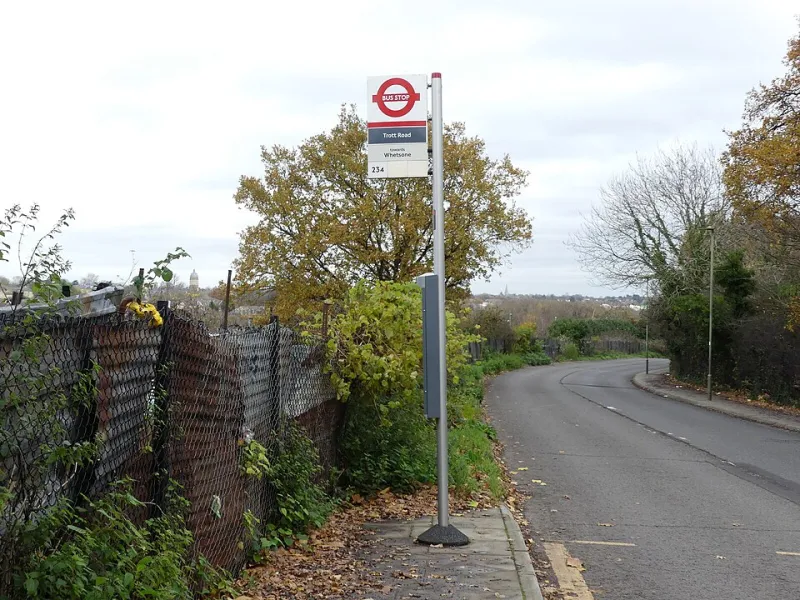
Photo: John Kingdon , CC BY-SA 2.0, via Wikimedia Commons
The first time you see one, it looks like a mistake. A teenager with a guitar at a bus shelter, hood up, phone propped on a bin. Then another kid joins in with a beat tapped out on the glass. A small crowd gathers — not a crowd, really, just six people waiting for the 11:47. The song lasts two minutes. The bus arrives. Everyone gets on.
In 2026, this is becoming a recognisable UK music scene. Not in the venues, not on the festival bills, but in the gaps between them: bus stops, train platforms, taxi ranks, the covered bits outside retail parks. Impromptu gigs, late-night collaborations, phone-shot performances that spread through group chats before the artist has even got home. The most interesting new music spaces in the country aren't venues at all.
The 11:47 platform
You can trace it through small cities and suburbs rather than big-city hype. A crew in a town with one proper venue and a Wetherspoons. A bus route that takes 40 minutes to get anywhere, which means 40 minutes of nothing to do but talk. A platform with a decent echo and a bench that's dry. These are the places where young artists are testing songs, trading verses and filming clips that look like nothing else on the feed.
The appeal isn't just the romance of it. It's practical. Traditional circuits are expensive to play and expensive to reach. Door splits are thin. Under-18s hit curfews. Promoters need a crowd before they'll book you. A bus stop needs no promoter, no deposit, no sound check and no guest list. It's the lowest-stakes stage in Britain — and for plenty of young musicians, the only one that's actually open.
Why the bus stop won
There's a cost-of-living story here, obviously. But there's also an accessibility story. Public transport is one of the few spaces in the UK where teenagers can exist without spending money. You can stand at a bus stop for an hour and nobody asks why you're there. Try doing that in a venue bar.
That changes the music. When you're playing for people who are also waiting for a bus, there's no pressure to fill a room. You can be unfinished. You can try a hook that doesn't work. You can collaborate with someone you've never met because you're both cold and bored and the next service is delayed. The scene is built on proximity, not networking.
And it's hyper-local in a way that streaming isn't. A song about a specific roundabout or a specific bus route lands differently when everyone listening knows the roundabout. Local identity has always been part of UK music, but in 2026 it's being rebuilt at the scale of a postcode. The bus stop is the venue; the route is the tour.
Phone first, stage never
The performances are made for the phone, not in spite of it. A vertical clip of a chorus sung under a shelter light can travel further than a support slot ever would. The phone is the PA, the camera, the distribution and the archive. It's also the reason these sessions stay small: the moment someone turns up with a proper camera and a lighting rig, the thing starts to look like content.
The best of it keeps the rough edges. Wind noise. A car going past. Someone's mum texting to ask where they are. That texture is the point. It signals that the music is happening now, in a real place, with real people, rather than being staged for an algorithm. In a culture that's constantly optimising, a bus-stop gig is stubbornly unoptimised.
The awkward bits
It would be easy to romanticise this into a tidy story about scrappy kids making do. The reality is messier. Not everyone wants a performance outside their window. Drivers don't always want a crowd on the pavement. There are safety questions, noise complaints and the simple fact that public space isn't actually designed for gathering. The scene works best when it stays light on its feet: short sets, small groups, no obstruction, no amplification that carries too far.
That's also why it feels fragile. A bus stop can be a stage one week and a dispersal order the next. The artists know this. The good ones aren't trying to build a permanent venue out of a shelter. They're using the space for what it is: a pause between journeys, a place to test something out, a room with no rent.
What it says about 2026
There's a version of this story that's just about cost. Venues are expensive, so kids go elsewhere. But the more interesting version is about what happens when the elsewhere becomes the scene. The bus stop isn't a compromise. It's a different way of thinking about audience, access and local identity. It asks who music is for, and where it's allowed to happen.
In 2026, the most interesting UK music isn't waiting for a promoter to call. It's waiting for the bus. And if you miss it, you might just catch a song.