Small Signal, Big Room: Six UK Micro-Radio Stations Beating the Algorithm
There is a particular sound to a radio station that exists in one room. It's the sound of someone leaning back from the mic, a chair creaking, a door going somewhere in the background, a record being lifted off a deck a second too early because the DJ wanted to talk. In 2026, that sound is having a moment.
Across the UK, micro-radio is quietly having its best year in two decades. Community licences, small-scale DAB slots, shopfront studios and a lot of people streaming from spare bedrooms with a decent interface and a bad habit. None of it is chasing scale. Most of it is chasing about four hundred listeners who actually live nearby.
The shopfront studio
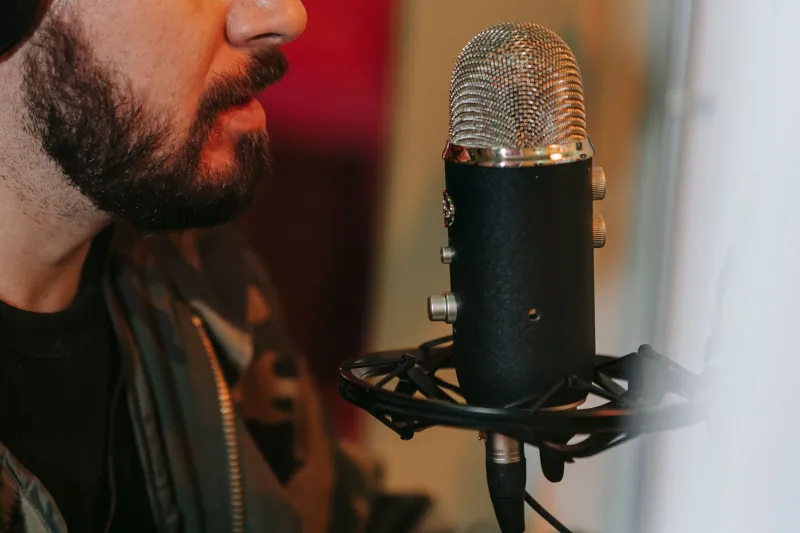
The physical detail matters. A station with a window is a different proposition to a station with an app. When you can walk past the presenter and see them talking into a microphone, the relationship changes — the music stops being content and becomes a place. Several of the stations below broadcast from units you could point at from a bus.
This is the bit that algorithmic discovery can't replicate. A recommendation is addressed to you as an individual taste profile. A local station is addressed to everyone at once, which means it has to compromise, include things you didn't ask for, and occasionally bore you. That's not a flaw. That's the point. Being slightly bored by a radio station is how you end up liking something you'd never have searched for.
Six stations to find this month
Kettle FM — Leeds Broadcasting from a shared unit off Kirkstall Road, Kettle FM is the Platonic ideal of this scene: two rooms, one desk, a wall of records nobody has catalogued. Their Saturday afternoon show is three hours of unreleased demos sent in by West Yorkshire bands, played in the order they arrived. No curation beyond the postcode.
Salt Air — Margate Coastal radio with an actual tide chart read out on air, which sounds like a gimmick until you've heard it at 11pm. Salt Air's remit is the Kent coast's small venues, and their weekly listings segment is now the most reliable thing happening in the region.
Marsh Lane Radio — Sheffield Run out of a former cutlery workshop, Marsh Lane leans industrial: dub, post-punk, and a long-running Sunday slot where listeners send in recordings of their own kitchens. It should be unbearable. It's oddly compelling.
The Back Room — Salford The closest thing here to a traditional youth station, except nobody there seems interested in being a brand. Their new-music hour is deliberately badly scheduled at 6pm on a Thursday, opposite everything, and it has become a small ritual for a few thousand people.
Violet Hour — Bristol Late-night only, roughly midnight to 3am, mostly ambient and spoken word, with presenters who are clearly not in a studio. Violet Hour has the strongest sense of atmosphere of the six and the weakest sense of scheduling. That is not a complaint.
Nightingale — Glasgow The most professionally put together of the bunch and still unmistakably small. Their output runs on a rota system where every show is presented by two people, one of whom has to be doing it for the first time. It produces a lot of charming dead air.
No playlist pressure, no skip button
The music these stations play has one thing in common: it hasn't been tested. There's no dashboard telling a presenter that 61 percent of listeners dropped off during track four. They play what they like, and if you don't like it you wait, or you turn over, or you go and put the kettle on.
That patience is the actual product. Streaming has trained a whole audience to treat a song as a verdict to be delivered in eight seconds. Radio at this scale reintroduces the idea that a track might be worth hearing twice before you decide. It's a slower kind of discovery, and it's the reason people who find these stations tend to become faintly evangelical about them.
The licence question
None of this is uncontested. Small-scale DAB has expanded the number of stations that can exist without a huge transmitter, but the costs still bite — Ofcom fees, multiplex carriage, the endless admin. Several micro-stations have folded in the last two years after running on goodwill and one person's savings. The ones surviving tend to have a premises deal, a small grant, or a founder with a day job and no holidays.
The economics are precarious by design. A station that needs four hundred listeners to feel worthwhile will never scale, and the moment it tries, it usually loses the thing that made it good. The trick, for the ones still going, is refusing to want more.
Tune in badly, on purpose
If you take one thing from this: find a station you can be local to, even if local means a city you left. Listen at the wrong time. Miss the start of the show. Hear a song you'd never have clicked on and leave it playing anyway. The whole appeal of micro-radio is that it isn't trying to be efficient with your attention — and in 2026, that feels close to radical.