The Fiver Door: Why the Cheap Night Out Is Britain's New Flex
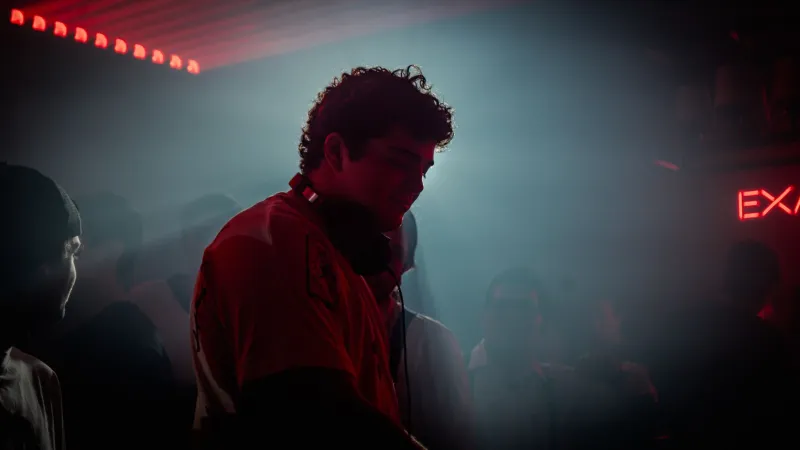
The queue outside a Bristol basement on a wet Saturday in 2026 is not a queue for a name. There is no name. There is a hand-painted sign, a card reader that sometimes works, and a door price of six pounds. Inside, a local DJ is playing to forty people who have all paid less than the price of a pint and a half. It is, by any reasonable measure, a good night out. It is also a small act of economic design.
The cheap night out is back, but not as a nostalgia trip. It is back because the economics of going out have become absurd, and because a growing number of promoters, venues and audiences have decided that the affordable night is not a compromise. It is a flex. Across the UK in 2026, the fiver door, the pay-what-you-can club night, the three-pound raffle ticket and the BYO basement show are being treated less like emergency measures and more like a deliberate way to build a scene.
The New Door Maths
No promoter is suddenly rich or generous. They are reworking the same fixed costs. A small room might cost £150 to £400 to hire. A sound engineer costs £80 to £150. A local lineup costs £100 to £300. Flyers, gaffer tape, a card reader and a float take the rest. At £12 a head and fifty people, that is £600 — enough to pay everyone a little and maybe buy a new cable. At £6 a head and eighty people, it is £480. The cheap night works because the room is small, the overhead is low and the crowd is asked to be the volume.
That is why so many cheap nights look similar on paper. A local headliner. Two support acts. No touring name. A resident DJ. A bar that sells cans at a sensible price. A raffle at eleven. The model is not new, but in 2026 it is being chosen rather than settled for. Pay-what-you-can nights are testing suggested donations of £5 to £8. Club nights are selling £3 raffle tickets for a tote, a record or a bar tab, which raises a little cash and gives the room a shared moment. Basement shows are asking people to bring their own drinks, which cuts the bar minimum and keeps the door low.
The Compromises Are Real
Cheap forces choices. Lineups get shorter and more local. Touring acts cannot make the maths work on a fiver door, so the bill leans on people who live within a bus ride. Sound is often one engineer, two mics and a borrowed sub. Lights might be a lamp with a coloured bulb. The night may finish earlier so the venue can reset for a club booking. None of that is automatically a decline. A small room with a good system and a careful engineer can sound better than a big room with a bad one. But the compromise is real, and the best cheap nights are honest about it.
The interesting question is what gets protected. Door staff, safe-space policies and decent sound are not optional. The cheap night that cuts corners on care is not a model; it is an accident waiting to happen. The compromises should land on the lineup and the production, not on the people in the room.
Why It Feels Deliberate
The cheap night now reads as a cultural choice because everything around it has become priced like an event. Dynamic ticket pricing, booking fees, £7.50 pints, the expectation that a night out should cost like a small holiday — all of that has made the fiver door feel like a statement. It says the scene is not a product. It says you can come back next week. It says the regulars matter more than the one-off big spend.
That is why the cheap night is often more social than the expensive one. The door is a conversation. The raffle is a ritual. The BYO basement is a small conspiracy. The absence of a guest list means the room is full of people who chose to be there rather than people who got in for free. Cheapness, handled well, creates a different kind of belonging.
The Small Rituals Doing the Work
A cash box. A card reader with a hand-written sign. A three-pound raffle. A bring-your-own-bag-of-ice policy. A finish time that lets the last train be a realistic option. These are not just cost-saving tricks. They are the small rituals that turn a night into a scene. They give people something to do besides spend, and they make the room feel like it belongs to the people in it.
The risk is burnout. Cheap cannot mean unpaid. If the fiver door only works because the sound engineer, the promoter and the artist are all doing free labour, it is not a model. The best cheap nights are transparent about the split: here is the break-even, here is what the raffle is for, here is why the door is six pounds and not twelve. That honesty is part of the appeal.
The Cheap Night as an Edit
A good cheap night is not a downgraded expensive night. It is a different edit. Smaller room, shorter sets, lower door, more regulars. It asks what the minimum viable night actually is, and then tries to make that minimum feel generous. In 2026, that feels less like a compromise and more like the whole point.
SIXTEN keeps coming back to the fiver door because that is where the scene is still being made. Not in the big room with the big fee, but in the basement with the hand-painted sign and the raffle at eleven.