Coffee Money: The UK Micro-Labels Turning £6 Singles Into Scene Currency
Photo: Martin Brown, Public domain, via Wikimedia Commons
There is a particular sound in a UK café on a Saturday morning: the grinder, the milk steamer, and — increasingly — the soft crackle of someone flipping through a short stack of seven-inches by the till. The records are not vintage. They are not priced at £38.99. They are six quid, maybe seven, and they are made by someone who played a fifteen-minute set in the back room last Thursday.
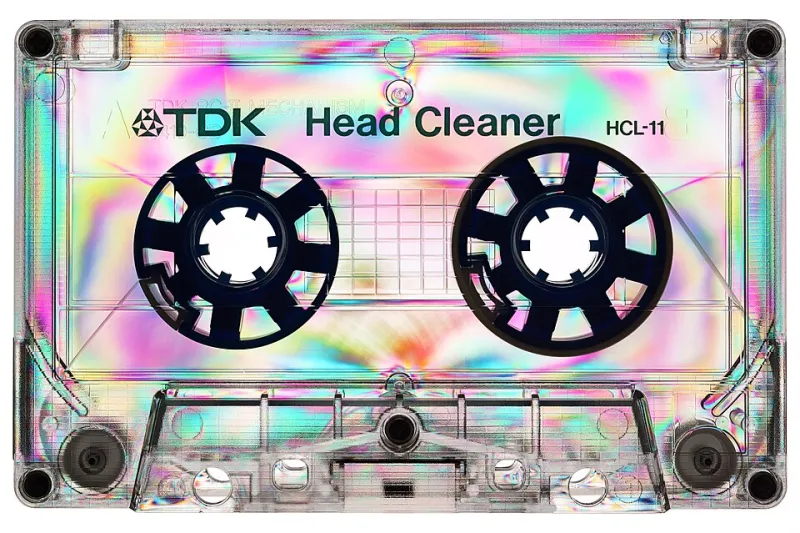
In 2026, the micro-label economy has found its natural price point, and it looks a lot like a flat white. Across Bristol, Glasgow, Leeds, Manchester and the less obvious corners of London, tiny labels are pressing runs of 50 to 300 records and cassettes, then moving them through café counters, gig merch tables and independent shops rather than waiting for a streaming spike that never quite arrives. The result is a physical release you can buy on a whim, stick in a tote bag, and actually play.
The Maths of a Six-Pound Pressing
No one is getting rich. A short-run seven-inch — often a lathe cut or a small pressing — can cost between £2 and £4 per unit once sleeves, labels and postage are counted. A cassette is cheaper still, maybe £1.50 to £2.50. Add the venue’s cut, the shop’s margin, and the label’s hope of funding the next release, and £6 starts to look less like a bargain and more like a carefully balanced equation.
The point is not profit. It is circulation. A £40 reissue sits in a shrink-wrapped sleeve and waits for a collector with a Discogs wishlist. A £6 single moves. It gets bought by someone who came for the coffee, recognised the artwork, and decided to take a chance. It gets played on a car stereo that still has a CD slot and a cassette deck. It gets traded. It becomes a calling card.
The Counter Is the Shop
The distribution model is deliberately small. You will find these records in the kind of places that already function as third spaces: a café in Stokes Croft with a shelf of local zines, a barbershop in Leeds with a stack by the mirror, a bookshop in Glasgow that clears a corner for a label showcase. The records sit next to the pastries, the lighters, the spare tote bags. They are not behind glass. They are not alphabetised. They are an impulse buy with a scene attached.
This is not nostalgia for the record shop — that institution is fine, and often the best ally. It is a recognition that the shop is no longer the only place where music is discovered. A gig is a shop. A café is a shop. A clothes swap is a shop. The micro-labels that understand this are the ones pressing records that feel like they belong on a counter, not in a cabinet.
Collectable Without the Cabinet
There is a quiet status in a £6 record. It says you were there, or you know someone who was, or you liked the sleeve enough to risk it. It is cheap enough to buy two — one to keep, one to give away. It is small enough to fit in a jacket pocket. It does not demand a shelf, a cleaning ritual, or an insurance policy. It demands a turntable, or a friend with one.
In 2026, this is the new social currency: not the expensive reissue, but the affordable object that circulates. The cassette revival has already proved the point — a tape is a postcard with audio. The seven-inch is the same idea with more groove. Both formats are cheap to make, cheap to sell, and cheap to love. They are also, crucially, easy to ignore. That is part of the appeal.
The Risk of Cheap
Cheap can go wrong. A badly pressed lathe cut sounds like a rumour. A cassette duplicated in a hurry can wobble. A label that undercuts everyone else can make the whole scene look like a car boot sale. The micro-labels doing this well are not racing to the bottom. They are curating. They are choosing artists who can carry a two-track release. They are spending on sleeves, on mastering, on the small details that make a £6 record feel like a £12 record.
The price point is a promise: this is not a souvenir, it is a record. The moment it becomes a novelty, the model collapses. The scene knows this. That is why the best of these releases come with a hand-stamped sleeve, a lyric sheet, a download code, a thank-you note. The cheapness is in the price, not the care.
Where It Goes Next
The obvious next step is collaboration. Cafés commissioning labels. Labels commissioning cafés. A shared shelf in a shared space. A monthly swap where the record that sold out gets replaced by the next one. The model is already there; it just needs more people to trust it.
For the listener, the invitation is simple. Next time you buy a coffee, look at the stack by the till. Pick up the one with the photocopied sleeve and the handwritten label. It costs less than a round. It might be the best thing you hear all week. And if it is not, you have lost six quid and gained a story. That is a fair trade.