Side A, Your Street: Britain's Scenes Are Pressing Their Own Front Door
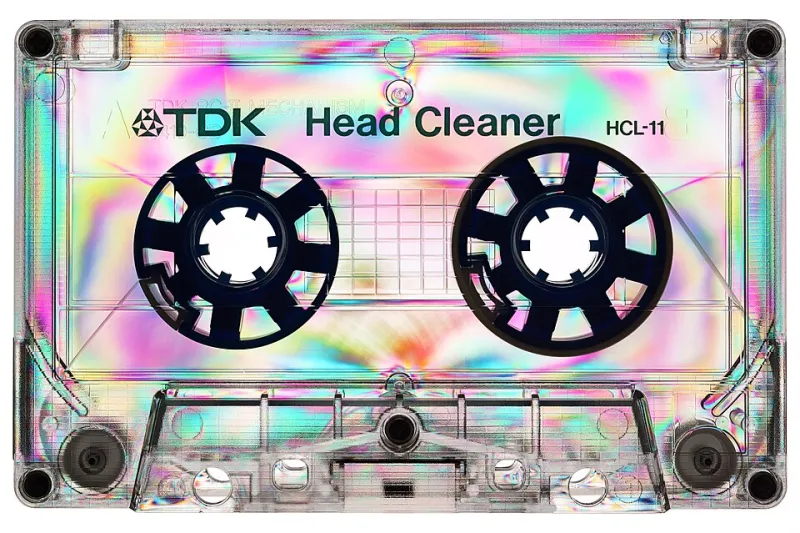
Photo: Colin, CC BY-SA 4.0, via Wikimedia Commons
There is a particular sound to a compilation that knows exactly where it is from. Not a genre, exactly — more a room. Six tracks, one postcode, maybe forty minutes if you let the tape run to the end of side B. In 2026, that format is quietly reappearing across the UK, not as nostalgia for the mixtape but as a practical tool: a way for a scene to introduce itself without asking anyone to scroll through a hundred releases first.
The operators are familiar faces. A record shop in Leeds puts out a CD of six acts who played its back room in the spring. A promoter in Bristol bundles a lathe cut with the ticket for a three-night run. A Glasgow label with no office and a shared Bandcamp page releases a cassette of six artists from the same square mile. None of them are chasing a viral moment. They are trying to make the local feel legible.
The front door problem
Every scene has one, even if nobody names it. A curious listener hears about a night, a shop, a rehearsal room, a support slot — and then has nowhere obvious to start. Streaming favours the already-indexed. Social feeds favour the already-loud. A six-track compilation does something simpler: it says here are six doors, pick one.
The number matters. Six is short enough to listen to in one sitting and long enough to show range. It is a room, not a survey. You can hear the punk band, the ambient producer, the rapper, the shoegaze trio and the person with a four-track and a borrowed mic, and still understand what holds them together. That holding-together is curation as infrastructure. It is not a taste-making flex. It is a map.
The postcode as a label
What separates the 2026 wave from the deluxe label compilation is geography. These records are not saying "the best of British" — they are saying "this street, this venue, this fortnight". A Peckham cassette might share a postcode with a rehearsal studio and a bar that closes at midnight. A Sheffield CD might be tied to a single promoter's mailing list. The constraint is the point.
That local specificity makes the object collectible without making it exclusive. A compilation from a shop in Cardiff is not a status symbol in London, and that is fine. Its value is in being a document of a place at a moment — the sort of thing that ends up on a shelf next to a flyer, a receipt, a setlist. Cheap physical formats help. Cassettes, CDs and lathe cuts are not trying to compete with streaming on convenience. They are trying to be kept.
Six tracks, no algorithm
There is a temptation to read this as resistance to streaming. It is not quite that. Most of these comps end up on Bandcamp and Spotify anyway, often the same week. The difference is the order. A six-track release has an argument built into it: this opener, this closer, this sequence. Nobody skipped to track four because a recommendation engine nudged them there.
That sequencing is where the curation lives. A good scene comp does not just gather the loudest acts. It puts the strange track second, the obvious single fourth, the slow one last. It gives the listener a shape. In a feed, everything is adjacent to everything else. On a compilation, someone has made a decision.
What gets left off
Of course, every compilation is a partial truth. Scenes are messy, overlapping and full of people who do not fit the six-track frame. The risk is that the front door becomes the whole house — that a postcode gets represented by the same handful of names who are good at answering emails.
The better comps acknowledge this. They rotate. They put the comp out annually or seasonally. They include an act that has never played outside the city and an act that is about to leave it. They treat the format as a snapshot, not a canon. That is the difference between infrastructure and gatekeeping: a door should open more than once.
The object as an invitation
In 2026, the most interesting thing about these releases is not the format. It is the social function. A six-track cassette from a record shop is a business card, a souvenir and a listening session. It gives a new arrival a way in. It gives a regular a way to explain what they have been going on about. It gives the artists something to sell at a gig that is not a T-shirt and a QR code.
And it makes the local feel collectible again — not in the sense of rare vinyl futures, but in the sense of a thing you keep because it reminds you of a room. Six tracks, one postcode. Side A, your street. The door is the point.