Queue-Side Manner: The UK Corner Shops Turning the Weekly Shop Into a Discovery Engine
You are third in the queue, holding oat milk and a sad bunch of parsley, and the song coming out of the shop speaker is doing something to you. Not in a cinematic way. In a quiet, irritating, I-need-to-know-who-this-is way. You Shazam it. Nothing obvious comes back. Later, the person behind the till says, almost apologetically, that it is a mate of a mate from down the road. That, more than any playlist banner, is how a lot of UK music is being found in 2026.
The till as a filter
Streaming did not kill discovery. It industrialised it. The result is a feed that knows what you skipped last Tuesday but not what the room needs on a wet Friday in Leeds. A corner shop playlist has the opposite problem, and that is exactly why it works. It cannot endlessly personalise. It has to hold a mixed room: the pensioner buying a lottery ticket, the delivery rider charging a phone, the parent buying nappies, the teenager after a can of something. One speaker. No skip button for the customer. That constraint is a kind of curation.
Shopkeepers are not sitting around calling themselves A&R. Most would laugh at the idea. But the effect is similar. They repeat records because the staff like them, because a regular asked, because someone’s cousin dropped off a cassette. Repetition does the work that the algorithm usually does: it turns a strange song into a familiar one. Hear a track four times while buying milk and it stops being background. It becomes part of the street.
Shelf-space singles
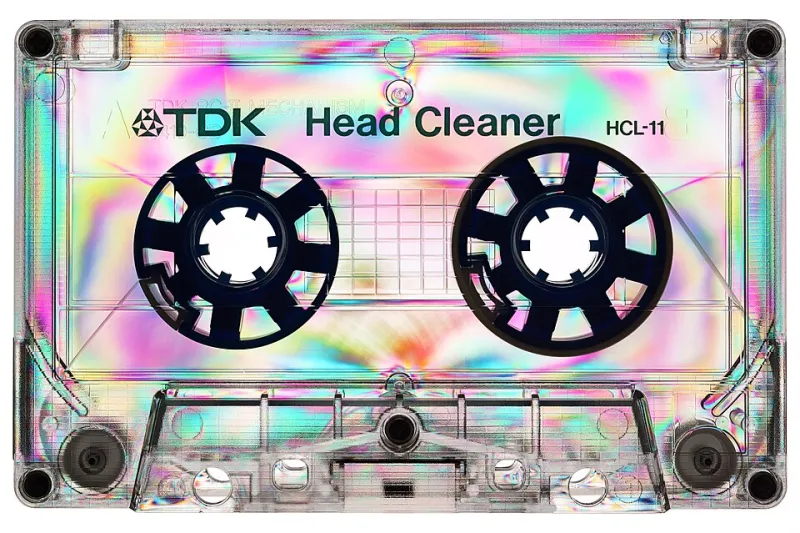
The playlist is only half of it. The more interesting move is physical. Not a full record-shop wall, just a small, deliberate patch of shelf. A cafè in Bristol selling twenty cassettes by local producers next to the till. A barber in Deptford with a stack of CDs that customers can take for a donation. A corner shop in Sheffield with a QR card taped to the fridge, linking to a mixtape by someone who works behind the counter on Sundays.
These are not major-label campaigns. They are closer to the old noticeboard: small, local, slightly awkward, and all the more convincing for it. The stock is limited, so the recommendation feels like a loan rather than an advert. You are not being targeted. You are being let in on something.
The barber, the barista and the bodega
Different shops do different things to a song. A barber has a captive audience for forty minutes. A cafè has a morning rush and a slow afternoon. A corner shop has short visits but high frequency, which means a track can become familiar by accident. The best in-store curation understands the room rather than the genre. It is not about playing the coolest thing. It is about playing the right thing at 7.40am when everyone is half awake and the delivery hasn’t arrived.
That is why the recommendations travel. Someone asks who is playing. The barista writes a name on a receipt. The barber points at a sleeve. The shopkeeper says the artist is playing a tiny room above a pub next month. None of this requires a marketing budget. It requires a person with taste and enough time to care, which is also the fragile part.
Why it beats the feed
Algorithms are excellent at giving you more of what you already like. Shops are better at giving you something you did not know you were in the mood for. The difference is social context. A playlist pushed to your phone arrives alone. A song in a shop arrives with a place attached: the smell of coffee, the queue, the person who chose it. That is a stronger memory hook than a thumbnail.
There is also a useful lack of choice. In a shop, you cannot skip. You have to wait. That tiny friction is enough to let a song finish, or at least to let it get under your skin. In a culture of infinite next, a room that says this is what we are playing is quietly radical.
The awkward economics
It would be easy to over-romanticise this. Shop-floor curation is labour, and it is often unpaid. Staff time is tight. Public performance licences cost money. Shelf space is not free, even when it is only a shoebox by the till. And there is a difference between a shopkeeper with genuine taste and a brand using local cred as a mood board. The latter is already happening, because of course it is.
The best version of this trend is not a label strategy. It is closer to a neighbourhood habit: small shops making small choices, artists making small runs, customers asking small questions. The scale is the point. It does not need to become a platform. It needs to stay a place.
What to listen for
You do not need a guide to find this. You need to stand still for a second longer. Ask the person behind the counter. Buy the cassette if there is one. Note the name on the receipt. The next act you love might not arrive through a recommendation engine. It might arrive with your oat milk, somewhere between the parsley and the lottery tickets.
That is not a replacement for venues, radio or record shops. It is a front porch. And in 2026, a front porch is turning out to be a very good place to hear something new.