Doors at Eight: The Best Room in Britain Is Now Before the Headliner
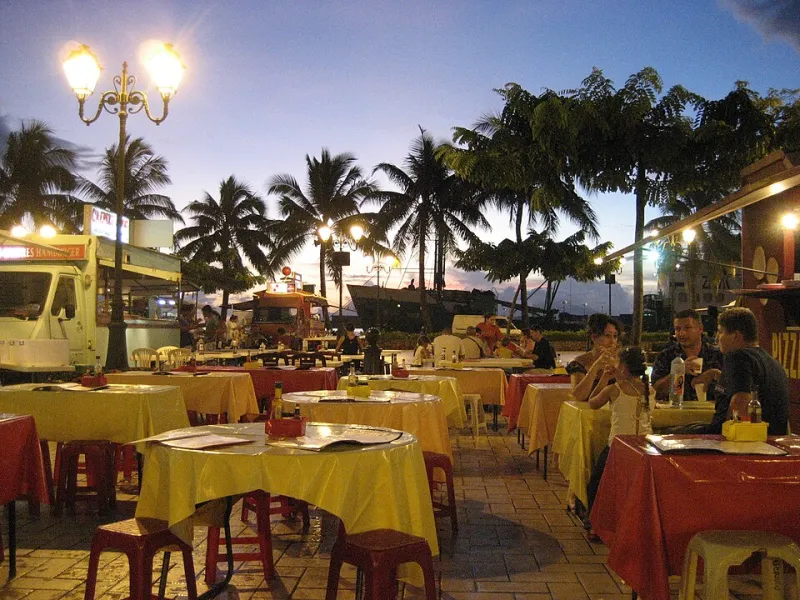
Photo: Peter Gill / UK, CC BY 3.0, via Wikimedia Commons
Something has shifted in the way British clubs are selling a night out. The headline set still gets the poster, but the smartest promoters in 2026 are putting their most interesting music before 10pm. Doors open earlier. Early-bird tickets are priced like a pint and a bus fare. The first hour is being treated less like a holding pen and more like the main event.
The warm-up is the main event
For years the unspoken contract of UK clubbing went like this: arrive late, pay full whack, catch the last 90 minutes of the headliner, queue for a taxi, question your life choices on the night bus. That contract was built for a different economy. With trains thinning out after midnight and a night out easily costing £60 before you have bought a round, arriving at 8pm is no longer uncool. It is sensible, and increasingly it is where the good stuff happens.
Promoters have noticed. In Manchester, Bristol, Leeds and Glasgow, early-door tickets are being capped deliberately low — not as a loss leader but as a curatorial statement. The people who turn up first tend to be the ones who actually listen. They are the regulars, the students with an early lecture, the DJs' friends, the people who want to hear a full set rather than a finale. That changes the room. A dancefloor at 8.45pm is not empty; it is attentive.
The first hour sounds different
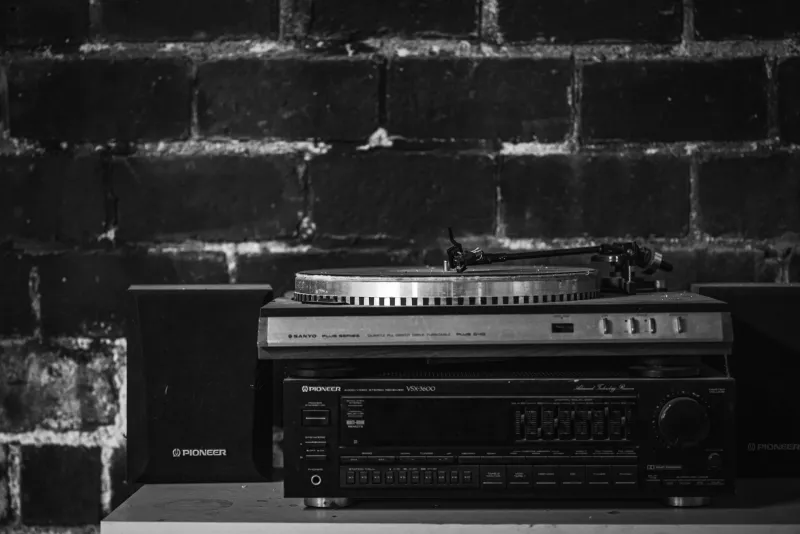
Ask a DJ what they would play if they knew the room was already full and no one was waiting for the big tune, and you get a very different answer from the one they give at 1am. The first hour is where oddities live: dub plates, ambient detours, slow-motion house, broken beat, the B-side of a record that never got a reissue. It is also where a night can establish a personality before the lights and the volume take over.
That is the quiet argument for front-loading lineups. A headliner can carry a room, but a warm-up DJ sets its temperature. In 2026, more promoters are giving that slot to residents and local selectors rather than a cheaper version of the headline act. The result is a first hour with a point of view: less build-up, more world-building.
Early doors, late licence
The economics are blunt. Venues need people through the door before 10pm to make the night work, and customers need a reason to leave the house before then. Early-door pricing is the simplest lever: a £5 ticket before 9pm, a £10 ticket after, a £15 ticket on the door. It is not a discount, exactly. It is a nudge towards a different rhythm.
Some venues are going further: free entry for the first hour, a reduced drinks list until 9pm, a cloakroom that does not cost more than the ticket. The best versions feel less like a promotion and more like an invitation. Turn up early and the night is cheaper, calmer and frankly better. The first hour becomes a social hour rather than a queue.
The social hour, not the starter
There is also a cultural shift at work. The generation that grew up with 24-hour feeds and late-night delivery apps is not necessarily desperate to be out until 4am. They want to see friends, hear something new and still get home in a way that does not involve a £40 taxi. The first hour suits that: it is a place to talk before the music gets too loud, to actually see the room, to bump into people instead of shouting at them.
That does not mean the night is over by 11pm. It means the shape has changed. The peak may still come late, but the beginning is no longer dead air. For venues, that is a chance to sell the whole night rather than just the final sprint. For clubbers, it is a chance to get more than a blur for their money.
Six nights where 8pm is the point
A curated, non-exhaustive list of UK nights that treat the first hour as part of the programme, not an apology.
- Early Shift, Manchester — A rotating resident opens with 90 minutes of slow-burn house and leftfield disco. Early tickets are capped at a fiver, and the floor is usually moving by 8.30pm.
- The Warm Room, Bristol — A listening-first session in the small room before the main club opens. Expect dub, jazz-funk and the kind of records that need space between them.
- First Light, Glasgow — Doors at eight, no headliner until eleven. The opening set is given to a local selector whose taste sets the tone for everything after.
- Doors Open, Leeds — A cheap early entry scheme that has turned the first hour into the most social part of the night. The bar is quieter, the music is stranger, and the regulars are already in.
- Eight Till Late, London — A deliberately unglamorous name for a night that front-loads its bill. The first two hours are for residents and guests who want to play the records they cannot play at peak time.
- Tea & Bass, Sheffield — An early-evening session that leans into the absurdity of the name: low tempo, high attention, and a crowd that has actually eaten dinner.
The catch
The first-hour model only works if promoters resist the urge to fill the early slot with something forgettable. An empty room at 8pm is not a scene; a room full of people hearing a DJ they trust is. The nights that get this right are not simply opening earlier. They are rethinking what the beginning is for.
In 2026, the best room in Britain might not be the one at 1am with the lasers and the queue for the toilets. It might be the one at 8.45pm, with a half-full dancefloor, a resident playing something unexpected, and the knowledge that you got in for less than the price of a cocktail. The headliner can wait. The first hour is already happening.