The Full-Price Pledge: How UK Indies Are Quietly Opting Out of Black Friday 2026
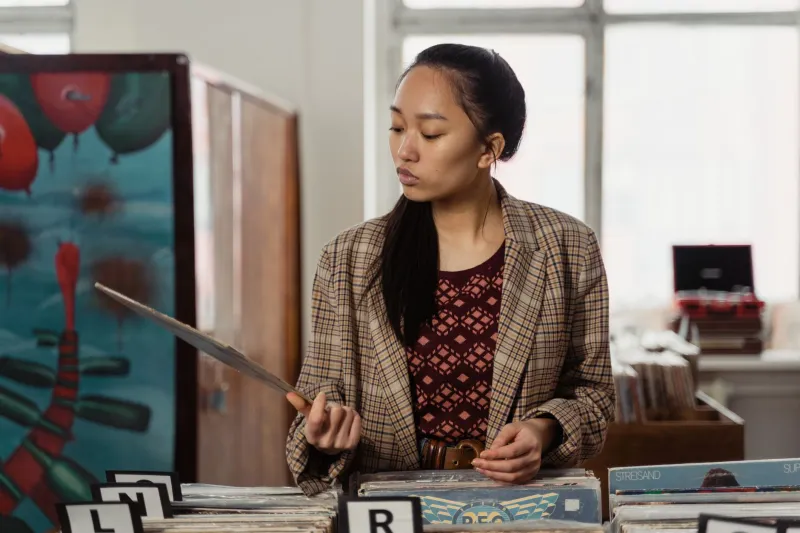
Black Friday used to arrive in the UK like a weather event: a few days of fevered scrolling, a rash of red banners, then a long, slightly embarrassed silence. In 2026, something odder is happening. A growing number of independent record shops, zine publishers, vintage dealers and small fashion labels are looking at the discount machine and saying: not this year.
The discount hangover
Let's be honest about what Black Friday does to a scene. It flattens it. When every shop is shouting about 30% off, the thing you actually make — a carefully sequenced record rack, a hand-bound zine, a rail of clothes chosen one by one — gets reduced to a number. Small operators can't win a race to the bottom against warehouses. They can only join in, shave their margins and hope the footfall makes up for it.
By 2026, plenty have decided the maths no longer works. The anti-Black Friday backlash isn't a boycott in the traditional sense. It's more like a quiet refusal to let the calendar dictate how culture gets valued. The shops opting out aren't anti-commerce. They're pro-weird, pro-local and increasingly convinced that a discount is a blunt instrument for building a loyal crowd.
Repair, swap, repeat
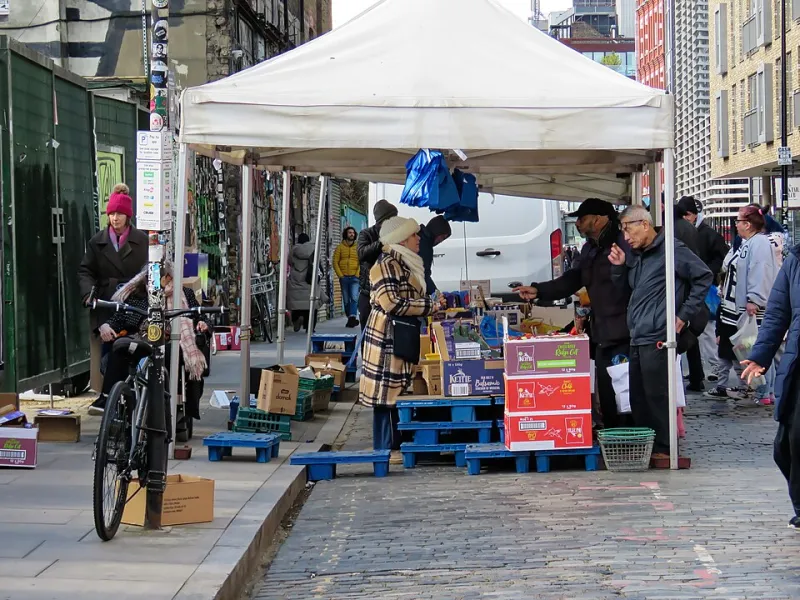
The alternative programming is where it gets interesting. Across the UK, indies are replacing sale rails with repair cafés, swap nights and 'nothing new' pledges. Think a record shop that clears its back room for a listening session and a zine table. A vintage seller who hosts a clothes swap instead of a markdown. A small label that asks fans to bring a friend rather than a voucher code.
These aren't just stunts to fill a quiet weekend. They're a different kind of retail theatre. A repair café gives people a reason to stay, talk and touch the product. A swap night turns customers into collaborators. A 'nothing new' pledge — buy nothing new for the day, mend what you have, trade what you don't — sounds austere until you're in the room. Then it feels like a relief.
The funny thing is how unoriginal the idea of 'nothing new' actually is. Charity shops, car boot sales and hand-me-downs have always been part of UK style. What's changed is the framing. In 2026, choosing not to buy new on Black Friday reads less like thrift and more like taste. It says you know what you like, and you're not in a hurry to replace it.
A quiet status signal
There's a status signal in all this, and it's worth naming. Opting out can look smug if it's done badly. But done well, it's not about moral superiority. It's about signalling that you're plugged into a scene rather than a sale. The person who turns up to a swap night with a well-worn jacket and a stack of zines isn't making a point about poverty. They're making a point about attention.
That's the shift. Discount culture trains us to look for the deal. Scene culture trains us to look for the story. A full-price pledge — whether it's a shop refusing to discount or a customer choosing to pay what something is worth — is a way of saying the story matters. It's also, quietly, a flex. Not everyone can afford to ignore a sale. The indies know that. Which is why the best anti-Black Friday events keep the door open: free entry, bring-your-own, pay-what-you-can, no guest list.
The scene dividend
Will it hurt the takings? Probably, on the day. But the shops doing this aren't chasing a single weekend. They're building a calendar of reasons to come back. A repair café in November can turn into a monthly mending club. A swap night can become the place where a local label finds its next sleeve designer. Black Friday is a feed; anti-Black Friday is a room.
And rooms are harder to fake. In a year when so much of UK culture feels optimised for the scroll, the indie opt-out is a reminder that scenes are made of small, repeated, slightly awkward encounters. Someone brings a broken lamp. Someone else brings a spare plug. A record plays. Nobody asks for a discount code.
So if you're in a UK city this month and you see a shop with its shutters up, a kettle on and a sign that says nothing new, don't read it as a protest against buying things. Read it as an invitation. The full-price pledge isn't about paying more. It's about paying attention.