Beyond the Mall: 16 UK Micro-Districts Rewriting Style in 2026
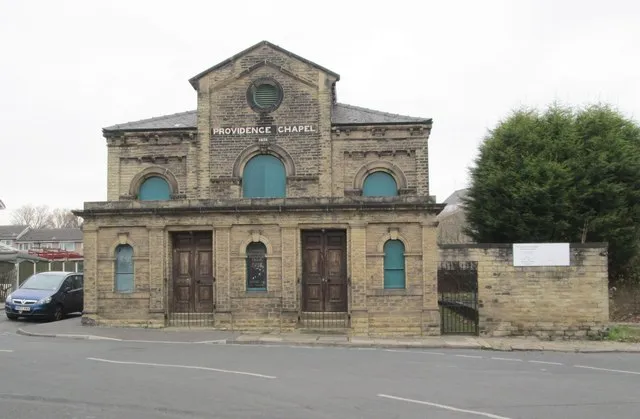
Photo: Betty Longbottom , CC BY-SA 2.0, via Wikimedia Commons
Oxford Street is a conveyor belt. It is useful, efficient and almost entirely devoid of surprise. The UK's real style map in 2026 is elsewhere: on streets where a vintage rail, a small-batch label and a decent coffee can share the same twenty metres. These are not grand shopping destinations. They are micro-districts — places where the pace is slower, the edit is personal and the person behind the counter probably made something in the room.
Below are sixteen streets and pockets outside London worth a train ticket in 2026. No ranking, no definitive list, just a working map for people who would rather find a coat with a story than another collaboration drop.
The map, not the mall
1. Bold Street, Liverpool
See: the vintage rails above the cafés and the small-batch jewellery tucked into the side doors. Follow: the Bold Street traders' collective for late-opening weekends. Why: it still feels like a street people use, not a set.
2. Thomas Street, Manchester
See: the Northern Quarter's independent menswear and second-hand sportswear. Follow: the local makers who post restock days rather than launch campaigns. Why: Manchester's style scene is best when it stays walkable and slightly rough at the edges.
3. Stokes Croft, Bristol
See: hand-painted shopfronts, repaired denim and the kind of vintage that has been edited rather than dumped. Follow: the community noticeboards — they are better than any app. Why: it is a reminder that style can be local, political and practical at once.
4. Digbeth, Birmingham
See: the Custard Factory cluster and the weekend makers' markets. Follow: the small-batch labels using the old industrial units as studios. Why: Birmingham's independent scene has space to experiment, and it shows.
5. Kirkgate Quarter, Leeds
See: the market stalls, the arcade units and the vintage sellers who know their stock. Follow: the market's independent traders for first picks. Why: it is one of the few places where old and new retail still share a pavement.
6. Division Street, Sheffield
See: the independent shoe shops, the print stores and the racks outside the cafés. Follow: the street's makers' nights. Why: Sheffield style is unpretentious, and Division Street is where that reads clearest.
7. Westgate Street and the arcades, Cardiff
See: the covered arcades — small, strange and full of independent labels. Follow: the arcade traders' collective. Why: the arcades force a slower browse, which is exactly what good style needs.
8. Humber Street, Hull
See: the converted fruit market units and the weekend vintage fairs. Follow: the local print and textile studios. Why: Hull's scene is small enough to feel like a conversation rather than a queue.
9. High Bridge, Newcastle
See: the narrow street's independent menswear and trainer spots. Follow: the shop staff — they still give real recommendations. Why: it is a proper street for browsing, not just buying.
10. Cowley Road, Oxford
See: the charity shops with actual turnover and the small labels in the side streets. Follow: the Cowley Road traders for market days. Why: it proves a university city can still have a scruffy, useful style scene.
11. North Laine, Brighton
See: the dense run of vintage, jewellery and independent homeware. Follow: the North Laine traders' association for late-night openings. Why: it is busy, but it still rewards the side alley over the main drag.
12. Magdalen Road, Exeter
See: the small shops, repair services and vintage rails that reward a slow afternoon. Follow: the local makers' co-op. Why: it is the opposite of a destination shopping trip, in the best way.
13. St Benedicts Street, Norwich
See: the independent fashion and record shops that have survived by knowing their customers. Follow: the street's traders for first dibs on new stock. Why: Norwich has a long memory for good, quiet retail.
14. Mill Road, Cambridge
See: the charity shops, the fabric stores and the small-batch labels in the yards. Follow: the Mill Road traders' socials. Why: it is a street of practical style, not performance.
15. Hill Street, Belfast
See: the Cathedral Quarter's independent boutiques and the vintage pop-ups. Follow: the local makers who share studio space rather than shop space. Why: Belfast's style scene is collaborative, and Hill Street is its front room.
16. Raeburn Place, Stockbridge, Edinburgh
See: the independent clothing, outdoor gear and vintage shops that mix function with taste. Follow: the Stockbridge traders for weekend markets. Why: it is a reminder that Scottish style is often about weather, layering and good materials.
Why these streets matter
None of these places need to become the next Oxford Street. The point is the opposite: they matter because they are still small enough to be edited by the people who live there. A good micro-district gives you a reason to get off the train, walk slowly and talk to someone who knows what they are selling. In 2026, that is a more radical style proposition than any flagship drop.
Take the map as a starting point. Buy the coat. Ask where it came from. Then go and find the next street.