The Expensive Look of Cheap Tape: UK Music Video's Analogue Turn
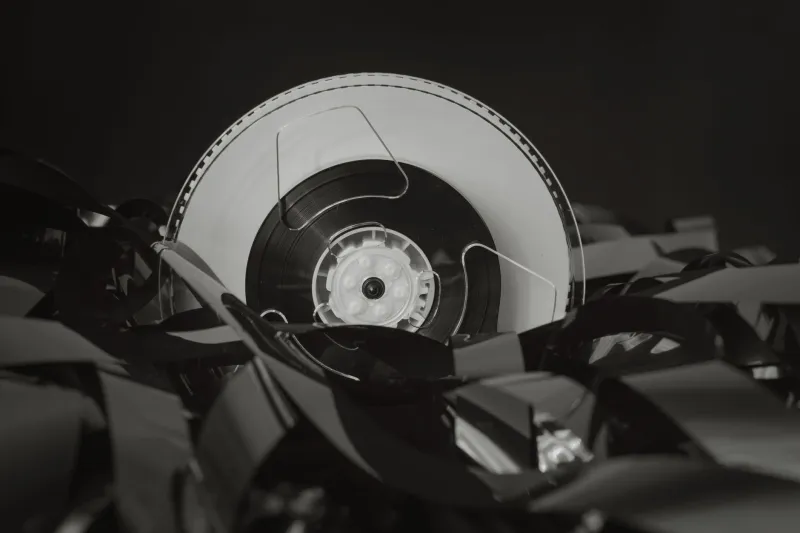
Somewhere in a converted lock-up in Leeds, a director is on the phone to a lab about a light leak. The leak is wanted. The leak is, in fact, the whole point. Half a roll of 16mm has come back from a warehouse shoot in Salford with an orange bloom creeping down one edge of the frame, and the conversation isn't about how to fix it. It's about whether the bloom survives the grade.
That conversation is happening a lot in 2026. For most of the last decade, a UK music video meant a rented studio, a 4K body, a monitor the size of a tea tray and a colourist with a subscription and a very good chair. Now a stubbornly analogue look has crept back into the frame: 16mm, Super 8, hand-me-down camcorders, tapes bought in job lots off marketplace listings in Croydon and Burnley.
The look that says 'we didn't optimise this'
Grain is doing a job that no amount of post-production can do, which is to signal effort that wasn't aimed at you. A 4K video is built to be legible on the smallest possible screen, framed so the first second works on mute. A 16mm video is built for a room, a bit of darkness, a person who has already decided to pay attention.
That distinction matters in a feed economy where everyone is competing for the first 1.5 seconds. Grain reads as a small act of refusal. It says: this was shot on something with a finite length, in a place we had to be, at a time we couldn't repeat. There's no undo on a roll of film. The viewer may not know the technical details, but they can feel the difference between a shot that could exist in a thousand variations and one that could only exist once.
Why the tape came back around now
The practical reasons are boring and real. Film labs have reopened and multiplied. Super 8 stock is being sold again in places that wouldn't have bothered five years ago. Small-scale scanning and telecine is cheap enough that a young director with a fee and a favour can make it work. And camcorders from the late nineties and early noughties are effectively free if you know which car boot to visit.
The cultural reasons are less boring. The generation making videos now grew up watching their own childhoods rendered in VHS artefacts, so a bit of softness and a tracking wobble reads as memory rather than as damage. Meanwhile, everything shot on a phone in 2026 looks more or less identical, and looking identical is a commercial problem for an artist trying to be remembered on Tuesday.
Five videos doing it properly
- Kleo Marsh, 'Damp Course' — shot on 16mm in a condemned flat in Peckham, lit almost entirely with whatever was already in the room. The grain does the work a fog machine used to do.
- The Frith, 'Night Bus North' — Super 8, mostly out the top deck of actual buses, threaded with footage of a rehearsal room in Stockport. The imperfection is the editing rhythm.
- Ayo Sef, 'Half In, Half Out' — Hi8 camcorder, handheld, deliberately badly white-balanced. It looks like a memory someone recorded over by accident and then kept anyway.
- Nell & the Rent, 'Saturday Job' — a mix of 16mm and a supermarket's own CCTV, cut together so cleanly that you stop noticing which is which.
- Cassia Fold, 'Cold Water Mile' — shot on expired stock and lit with car headlights on a coastal road outside Margate. Half the frames are technically wrong. Nobody involved seems to mind.
The economics of not being able to see the monitor
Here's the bit that gets missed. Film is cheaper in a specific way: it forces you to decide. You can't shoot forty takes and find the performance in the edit, because forty takes is a budget meeting. Directors who work this way tend to talk about the discipline more than the aesthetic — fewer setups, more rehearsal, an on-set atmosphere closer to a gig than a commercial shoot.
It also quietly changes who gets to make videos. If you can borrow a camera and buy four rolls, you can shoot something with a distinct visual signature for less than the cost of a day in a dry-hire studio. That has opened the door for artists on small labels and no label at all, and it shows. A lot of the best-looking UK videos this year were made by two people and a friend with a car.
What grain can't do
It's worth saying that the aesthetic is already being strip-mined. There are plug-ins that will add gate weave to your phone footage, and there are directors using them well, which complicates the whole argument about authenticity. Grain isn't a moral position. It's a texture, and textures get copied.
The difference, for now, is that the real thing carries an accidental record. A scratch on the third roll is a scratch that happened. A blown exposure is a decision someone made at 4am because the light was going and there was one take left. You don't need to know any of that to enjoy it — but it's there in the frame, doing something that a filter can approximate but never quite replicate.
Which is, in the end, the whole pitch of the analogue turn. Not nostalgia, exactly. More like a preference for evidence.